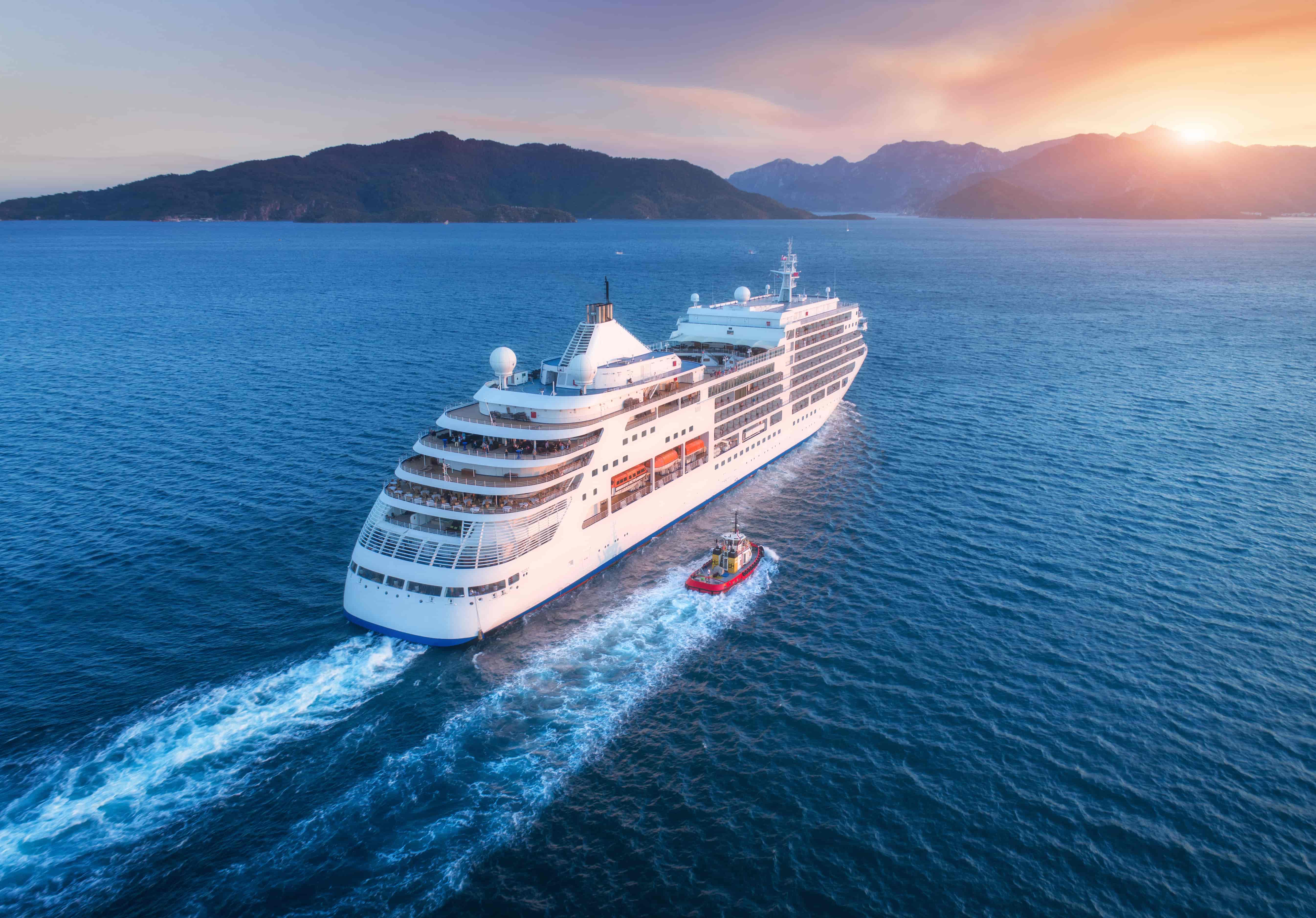
Imagine standing on the deck of a massive ship, surrounded by nothing but the deep, hypnotic blue waters of the Atlantic Ocean. There is no cell service, no traffic, and no emails. You have just finished a three-course steak dinner, and you are heading to the theater for a show. The best part? You are paying less for this all-inclusive experience than you would for a bed in a dodgy hostel.
The Mechanics of the "Repo" Cruise
Cruising is often stereotyped as expensive or crowded, but the repositioning cruise deals 2026 are the industry's best-kept secret for budget travelers. Here is the logic: Cruise ships follow the sun. In the summer, they sail the Mediterranean or Alaska. In the winter, they migrate to the Caribbean or Australia. They cannot fly there; they have to sail.
These transition voyages, crossing the Atlantic or the Pacific, are called "Repositioning Cruises." Because they involve many days at sea and move in one direction (e.g., one-way from Barcelona to Miami), they are harder to sell to the average tourist. To fill the ship, cruise lines drop prices to rock-bottom levels.
The Math: Cheaper Than Rent Let’s look at the numbers for cheap one way cruises in the Spring and Fall of 2026.
The Route: A 14-night Transatlantic crossing from Miami to Barcelona on a major line (like Royal Caribbean, Celebrity, or NCL).
The Price: It is common to see fares as low as $600–$800 per person (interior cabin) for the entire two weeks.
The Per Diem: That breaks down to roughly $43 to $57 per day.
What You Get: That $50 a day covers your accommodation, unlimited food (breakfast, lunch, dinner, snacks), entertainment, pools, and gym access. Try finding a hotel and three restaurant meals a day for $50 anywhere in the US or Europe. You can't.
Top Routes for Cruise Travelling to Watch For
1. The Atlantic Bridge (Spring/Fall):
Spring (April/May): Ships leave Florida/Caribbean for Europe (Barcelona, Rome, Southampton).
Fall (October/November): Ships return to the warm waters of the Americas.
The Vibe: These transatlantic cruise discounts are perfect for digital detoxes. You will have 6-7 straight days at sea. It is the ultimate time to read, write, or just sleep.
2. The Pacific Crossing (The "Fire and Ice" Route):
Route: Repositioning cruise Alaska to Japan. Ships that spend summer in Alaska often move to Asia for the winter.
The Deal: You sail from Vancouver or Seattle to Tokyo or Singapore.
The Experience: This is a bucket-list journey. You cross the International Date Line. You might stop in remote Russian ports or the Aleutian Islands that are inaccessible by plane.
The Logistics: Getting Home The catch with budget cruise hacks like this is the flight. You arrive on a different continent than you started.
The Solution: Use "Open-Jaw" ticketing or one-way rewards flights. Since you are saving thousands on the "hotel and food" portion of your trip by cruising, you can afford a one-way ticket home.
The "Extension" Strategy: Don't fly home immediately. You just arrived in Barcelona for $600. Stay there! Treat the cruise as a luxurious, slow-travel method of transport to start your European vacation.
Who Is This For? This is not for people who need to see a new city every morning. This is for travelers who value The Ship as the Destination. It is for the remote worker (many ships now have Starlink internet, making sea-day work possible), the retiree, or the sabbatical taker.
Health is Wealth
Beyond the financial savings, a repositioning cruise is a mental health intervention. The rhythm of the ocean, the lack of decision fatigue (food is ready, bed is made), and the forced disconnection from the hyper-active world allows for a deep cognitive reset.
Conclusion
In 2026, don't just book a flight to Europe. Sail there. Repositioning cruises offer a rare combination of 19th-century travel romance and 21st-century budget hacking. For $50 a day, you can conquer the ocean and save your bank account.