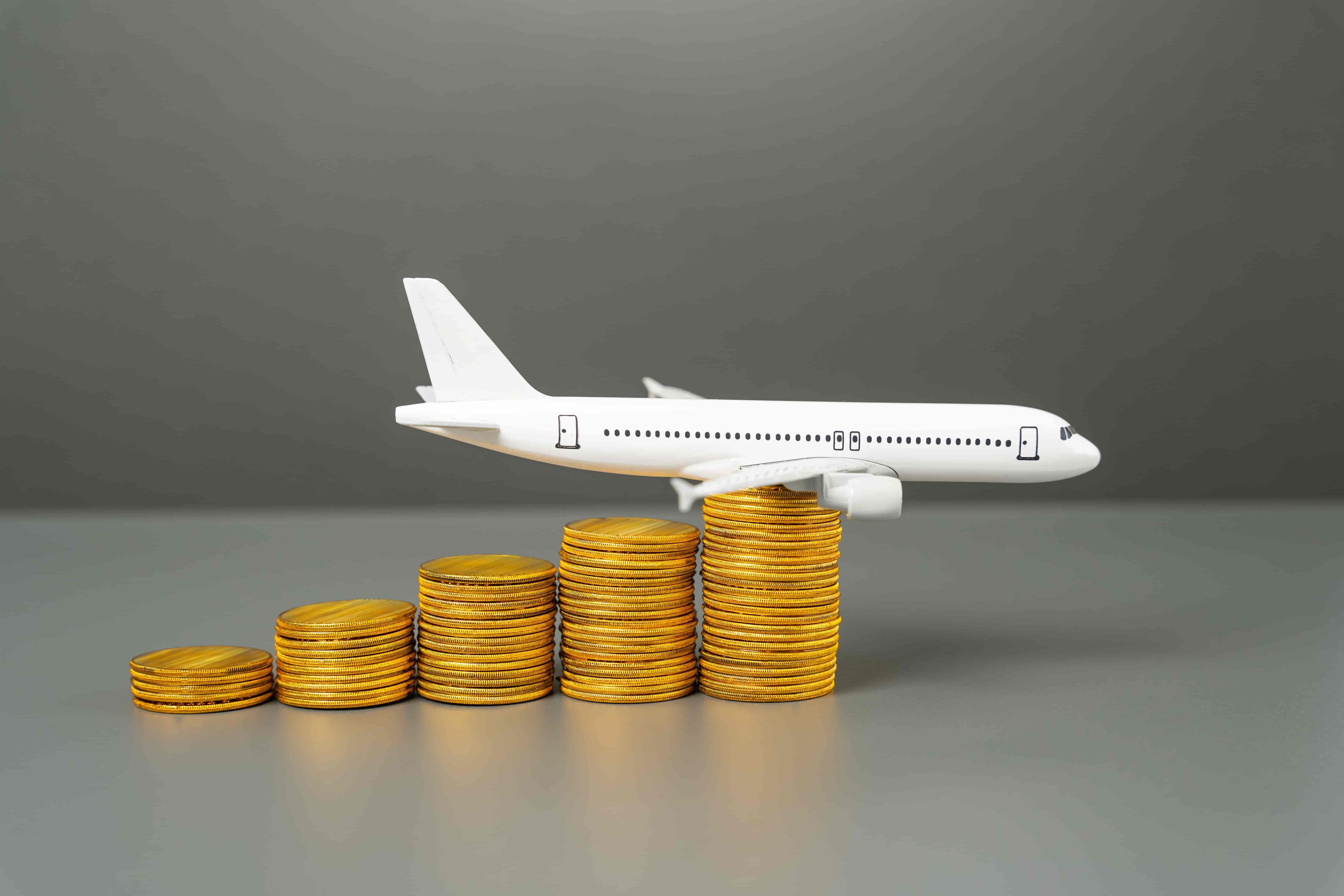
What if the best time to save money on your flight wasn't before you booked, but after? The answer lies in a new class of "insurance" algorithms that have quietly turned the concept of non-refundable tickets on its head. In 2026, the smartest travelers are no longer gambling on the perfect booking window; they are buying protection against the market itself.
The Anxiety of "Clicking Buy"
We have all been there. You spend weeks tracking a flight to Tokyo. You finally pull the trigger at $1,200. Three days later, you get a notification: the price just dropped to $950. That $250 loss isn't just annoying but feels like a personal failure. In the volatile travel market of 2026, dynamic pricing changes by the hour. But a new wave of price freeze travel deals and automated refund tools has emerged to cure this "Post-Booking Regret."
The deal here isn't just a cheap seat but it’s the peace of mind that you will never overpay, even if the market crashes.
The Hero Tool: Google Flights Price Guarantee The biggest game-changer for travel deals in the upcoming year is the expansion of the Google Flights Price Guarantee.
How it Works: When you search for flights within the US (and select international routes), look for the colorful "Price Guarantee" badge.
The Deal: If you book that flight through Google and the price drops any time between your booking and departure, Google automatically pays you the difference.
The Catch: It is capped (usually at $500 per year per account), but for the average traveler, this is free money. You don't have to file a claim or call support. The system watches the fare 24/7, and if it finds a lower price, the cash hits your Google Pay account.
The "Freeze" Strategy: Hopper & Capital One
If you aren't ready to book but are terrified of prices spiking, you need a "Price Freeze." Hopper and Capital One Travel have perfected this. For a small fee (often $20–$40), you can "freeze" a specific price for up to 14 days.
Why it’s a Must: Let’s say you see a fare for $600 but need to wait for your paycheck. You pay $30 to freeze it. If the price jumps to $900 next week, you still pay $600. If the price drops to $500, you pay the lower price. It is a "heads I win, tails you lose" bet against the airline.
The "Re-Book" Hack for Southwest & JetBlue
Did you know some airlines have built-in price protection policies that most travelers ignore?
Southwest Airlines: If the price of your flight drops, you can "change" your flight to the exact same flight on their app. The difference is immediately refunded as a flight credit.
The Strategy: In 2026, set a Google Flight alert for the flight you are already on. If the alert says "Price Drop," log in, re-book yourself, and pocket the credit.
Conclusion
Volatility is the enemy of your budget. By using risk-free travel booking tools, you stop playing the guessing game. The "deal" is no longer about predicting the future; it's about ensuring that no matter what the future holds, your wallet is protected.