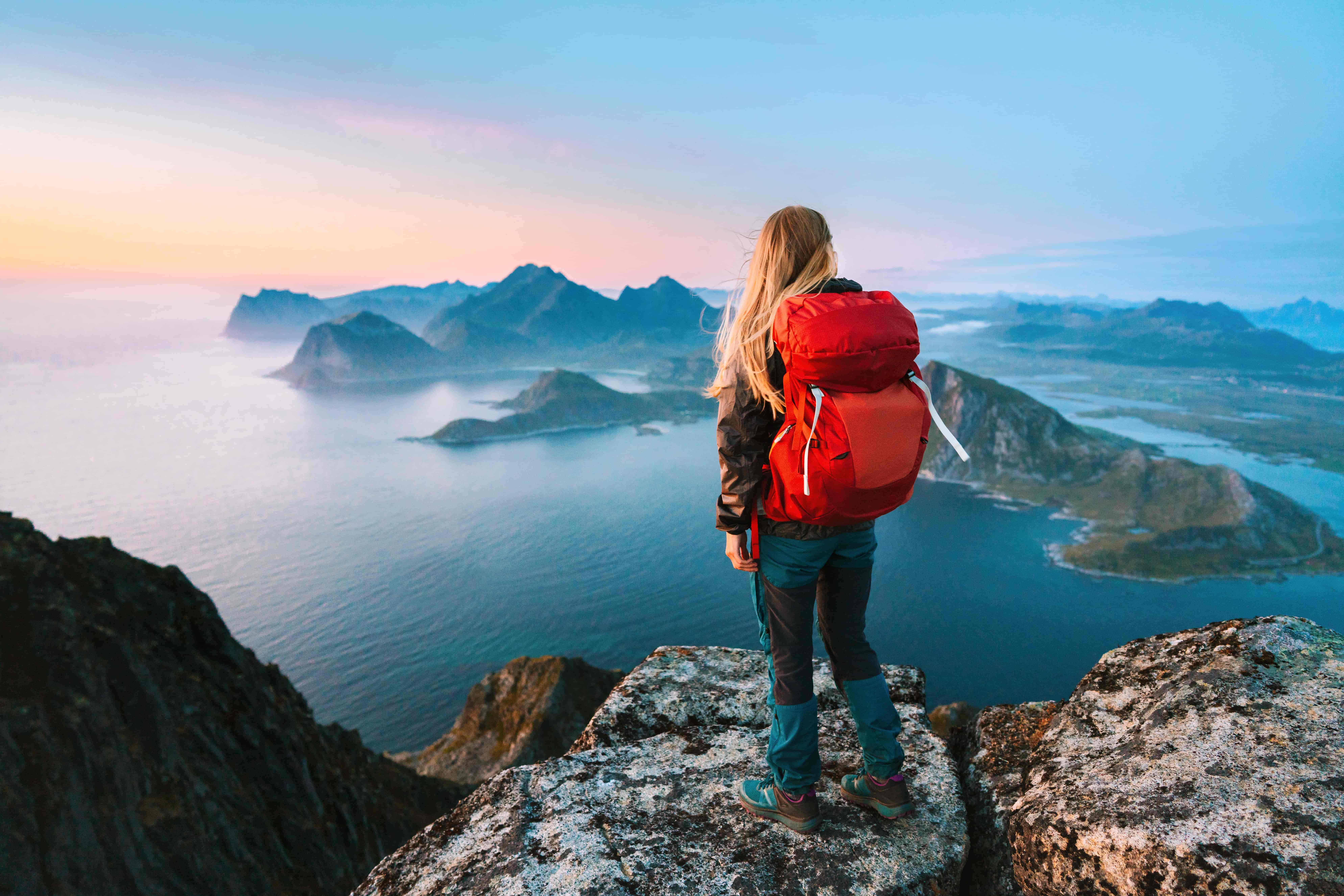
We are culturally conditioned to follow a crowd. We dream of "Summer in Europe" or "Christmas in New York." We book when the school bell rings and the office calendars clear. But in the modern travel landscape, following the herd is a recipe for disaster. It means paying premium prices for a sub-premium experience: fighting for restaurant reservations, sweating in three-hour museum lines, and paying 40% more for a hotel room that overlooks a noisy alley.
The "Contrarian" traveler knows a secret: the best time to visit a destination is exactly when everyone else is leaving. It’s about mastering the art of the "Goldilocks Season", a magical window where the weather is just right, the crowds are gone, and the prices crash.
Why Book In the Off Season?
Travellers often wonder, "But won't everything be closed? Won't it rain?" The Solution: Climate shifts have changed the calendar. The old rules of travel seasons are dissolving. As global temperatures rise, the traditional "peak" summer months in Southern Europe, Japan, and the American South are becoming uncomfortably hot. July in Rome is no longer a dream; it’s an endurance test against 100-degree heat.
Conversely, the "shoulder seasons" are extending. October and November in the Mediterranean are now pleasant, sunny, and mild—what June used to be. The Contrarian capitalizes on this lag in public perception. While the masses are scared of rain, you are enjoying 70-degree sunshine in Seville for half the price.
How It Works?
Here’s what the art of booking your travel package in off season looks like.
Strategy 1: The "Destination Dupe" Technique
A true Contrarian doesn't just shift their timing; they shift their geography. They look for travel dupes, places that offer the same vibe, architecture, and culture as a famous hotspot but at a fraction of the cost and chaos.
Swap Santorini for Naxos or Paros: Santorini is iconic, but it is also a victim of overtourism, with cruise ships dumping thousands of people onto its narrow streets daily. The "dupe" is Naxos. It sits in the same Cycladic chain, features the same white-washed sugar-cube houses and azure waters, but retains its authentic Greek soul. A dinner that costs €80 in Oia costs €30 in Naxos Town, and you can actually watch the sunset without elbowing a stranger.
Swap Switzerland for Slovenia: The Swiss Alps are breathtaking, but a week there can bankrupt a modest budget. Slovenia is the ultimate Alpine hack. It shares the same geography—jagged peaks, emerald glacial lakes (like Lake Bled), and clean mountain air—but it prices things for the Balkans, not the bankers. You get the "Sound of Music" aesthetic without the sticker shock.
Swap Tulum for Bacalar: Tulum has transformed from a bohemian hideaway to an overpriced, crowded party zone. The smart money heads south to Bacalar, home to the "Lagoon of Seven Colors." It offers overwater bungalows and crystal-clear swimming without the seaweed issues or the $20 cocktails.
Strategy 2: The "Dead Week" Phenomenon
If you can be flexible, there are specific weeks in the 2025 calendar where algorithms historically drop prices to the floor to fill empty seats.
The "Post-Thanksgiving" Lull: The first two weeks of December are a golden window. Americans have just finished Thanksgiving travel and are hunkering down for Christmas. Airlines and hotels are desperate to fill capacity. You can often find Europe or Caribbean flights for 30-50% off during this window. You get the festive Christmas markets without the peak holiday surcharge.
The "January Slump": The second half of January is the cheapest time of the year to travel domestically in the US. The holiday credit card bills have arrived, and people stop traveling. If you want to ski or visit a major US city, this is your moment.
Strategy 3-Leveraging "Soft Openings"
Another Contrarian move is visiting popular destinations as they reopen for the season. In places like the Amalfi Coast or the Greek Islands, the season officially starts around Easter. If you go in late April, you might find 10% of the shops still painting their shutters, but you also get the "Soft Opening" treatment. Locals are rested after the winter, happy to see tourists, and far more hospitable than they will be in exhausted August.
Conclusion
Traveling against the grain requires confidence. You have to be willing to explain to friends why you're going to Slovenia in November instead of Rome in July. But the rewards are tangible. While the herd is fighting for a selfie spot in a sweltering plaza, you will be enjoying an authentic meal in a quiet square, knowing you paid half of what they did. The Contrarian doesn't just save money; they save their sanity. In 2025, the luxury isn't where you go; it's when you go.