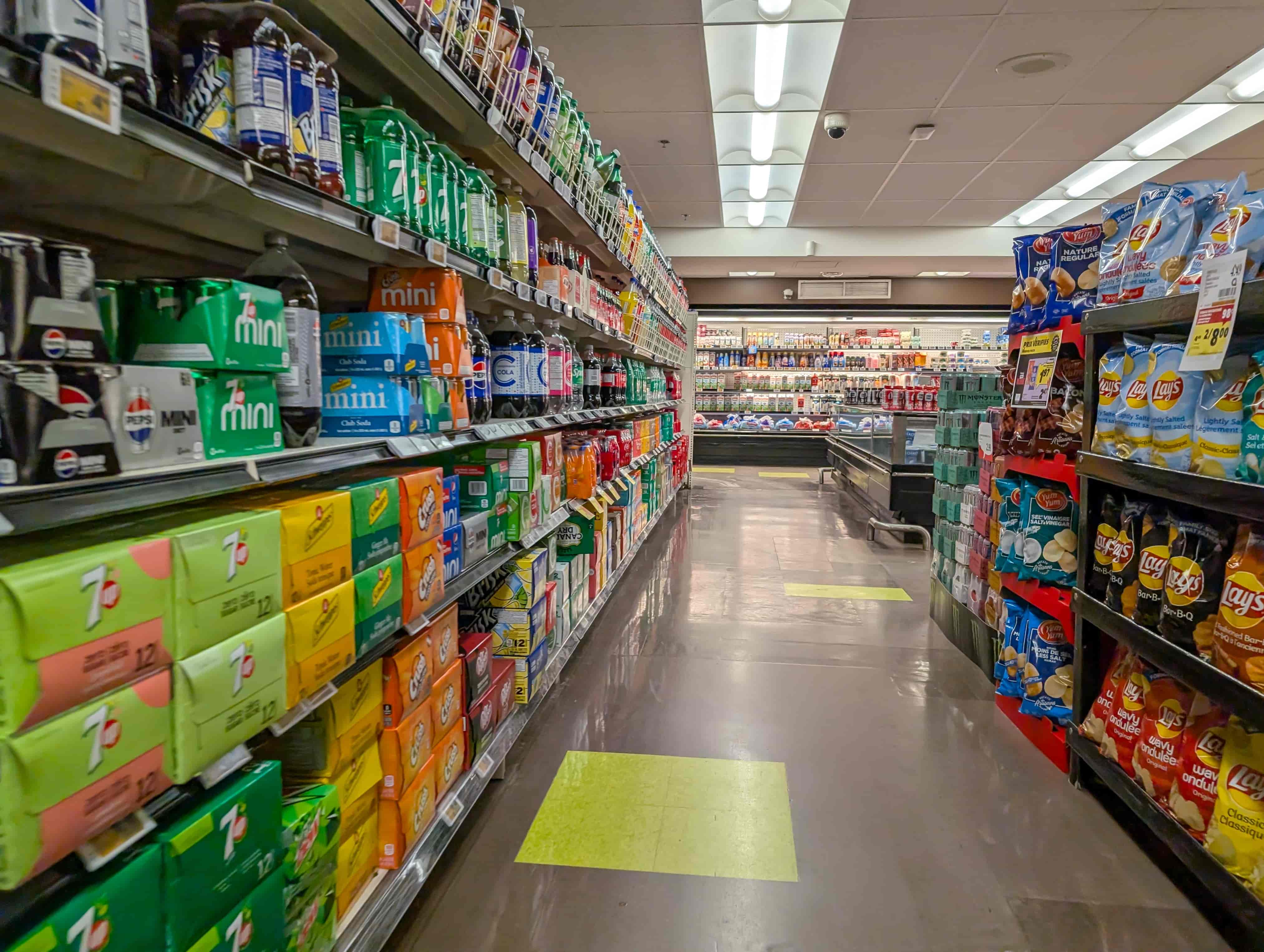
There is a pervasive myth in travel culture that to experience a city's food scene, you must sit at a table with a white tablecloth and a waiter. We are told that "authentic" food is found in restaurants. The "Grocery Gourmand" knows this is a lie.
Some of the most authentic, high-quality, and culturally rich culinary experiences are often found in the aisles of the local supermarket. By skipping the bistro and embracing budget food travel tips, you can eat like a king for a pauper's price, diving deeper into the local culture than any tourist trap restaurant would allow.
Consider The Supermarket as a Museum
A foreign grocery store is a window into the soul of a nation. It tells you what locals value, what is in season, and how they live. In France, a trip to Monoprix or Carrefour reveals an aisle dedicated entirely to yogurts and cheeses that would cost a fortune in the US but are priced like staples here. In Italy, the "deli counter" at a Conad is a holy place where fresh prosciutto is sliced paper-thin by a master, not pre-packaged in plastic.
In Japan, the Konbini (convenience store) culture is legendary. Chains like 7-Eleven, Lawson, and FamilyMart offer the best supermarket meals that rivals restaurants. We aren't talking about old hot dogs; we are talking about fresh Onigiri (rice balls), high-quality Bento boxes, Bento hot fried chicken, and egg salad sandwiches that fascinated Anthony Bourdain. A full dinner in Tokyo can cost $8 at a Konbini and be utterly delicious.
The Art of enjoying Picnic on a budget travel
The Grocery Gourmand doesn't eat soggy sandwiches in a hotel room. They master the art of the scenic picnic.
Paris: Instead of paying €80 for a cramped dinner, spend €15 at the market. Buy a fresh baguette (€1), a wheel of Camembert (€4), some cured sausage (€4), a punnet of strawberries (€3), and a bottle of wine (€3). Take this bounty to the banks of the Seine or the grass near the Eiffel Tower. You have the best view in the city, the food is local and delicious, and you saved a fortune.
London: Head to Marks & Spencer (M&S) or Waitrose. Their "food to go" sections are iconic, offering salads, scotch eggs, and gourmet sandwiches that allow you to lunch in Hyde Park like a local Londoner on their break.
How to Eat Cheap yet Delicious Food in Expensive Cities?
This strategy is the single most effective way to eat cheap in expensive cities like Zurich, Reykjavik, or New York.
1. Look for the "Prepared Foods" Section:
High-end grocery stores (like Whole Foods in the US or Migros in Switzerland) have hot bars and salad bars. The price per pound is significantly lower than restaurant service.
2. Go at Closing Time:
Many supermarkets in Europe and Asia discount their fresh prepared foods, sushi, and bakery items by 50% an hour before closing to avoid food waste. This is the "Golden Hour" for the budget traveler.
3. BYO Tools:
Pack a lightweight set of reusable travel cutlery and a small pocket knife (in checked luggage) or buy a cheap one on arrival. This opens up the world of cheeses, melons, and avocados that are hard to eat with bare hands.
Conclusion
Dining out is wonderful, but doing it three times a day is a budget killer, especially for travel enthusiasts going on a restricted budget, and often leads to "food fatigue." By substituting one or two meals a day with a supermarket feast, you save your money for the truly special dining experiences. More importantly, you engage with the daily life of the city. You learn the language of the labels, you navigate the checkout line, and you taste the ingredients in their purest form. It’s not just saving money but savoring the real flavor of the destination.