For millions of Americans, the airport experience is often an endurance test. It is a gauntlet of anxiety-inducing checkpoints, confusing signage, and sterile, windowless corridors that seem designed to drain the joy from the journey before it even begins. We have accepted this stress as the price of admission for seeing the world. But in Western Pennsylvania, a radical new infrastructure project is proving that the airport experience doesn't have to be this way.
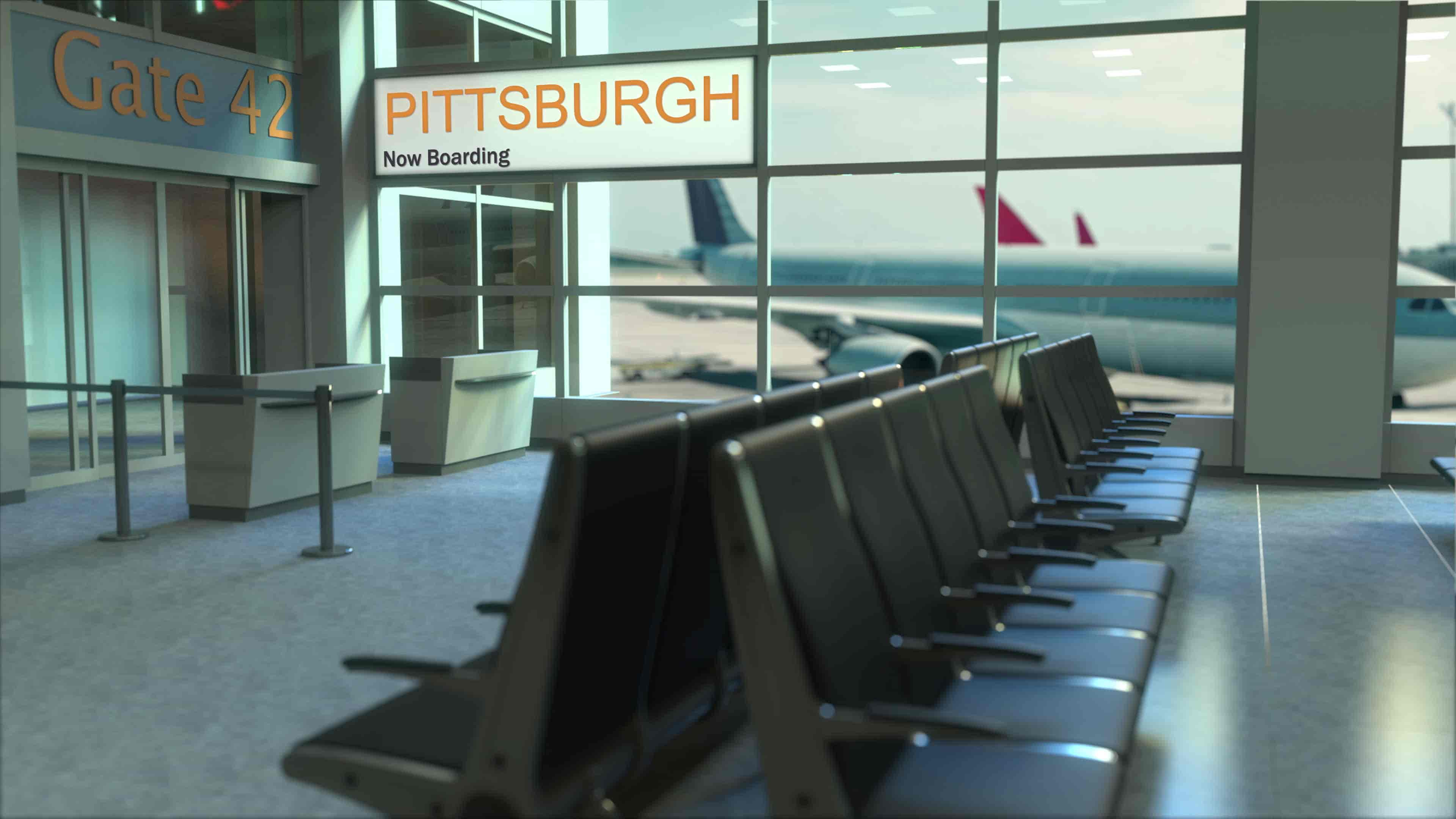
With the grand opening of the Pittsburgh International Airport new terminal in November 2025, the city isn't just unveiling a building; it is redefining the psychology of modern travel. This $1.7 billion facility is the first major US terminal built from scratch in the post-pandemic era, and it has been designed with a singular, revolutionary goal: to prioritize human mental well-being over mere passenger capacity.
A Terminal Built for Mental Wellness
The design philosophy behind the project is termed "NaTeCo"—Nature, Technology, and Community. Unlike the old, sprawling complex that required travelers to navigate a subterranean train just to reach security, the new landside terminal brings everything into a light-filled, intuitive center. The difference is felt the moment you step inside. Gone is the labyrinth of low ceilings and fluorescent lights.
Instead, passengers are greeted by soaring, cathedral-like ceilings and a "rolling hills" roofline inspired by the undulating landscape of Western Pennsylvania. Massive floor-to-ceiling windows flood the space with natural light, a design choice scientifically proven to lower cortisol levels and improve mood. This biophilic design airport concept means the terminal is filled with living trees, green walls, and outdoor terraces. It blurs the line between a transit hub and a botanical garden. It feels less like a processing facility and more like a civic pavilion, designed to calm the nervous system before a flight.
Eliminating the Security Bottleneck
The most practical innovation, and the one that will matter most to frequent flyers, is the elimination of the "security bottleneck." In the old terminal, the layout created a notorious chokepoint that could cause unpredictable delays and spiked heart rates. The PIT airport renovation has solved this with a massively expanded, single-level security checkpoint equipped with the latest computed tomography (CT) scanners.
This technology allows passengers to keep electronics and liquids in their bags, speeding up the screening process by an estimated 40%. By cutting the time from "curb to gate" in half, Pittsburgh has given travelers the most valuable gift of all: time. This efficiency allows passengers to actually enjoy the local dining options or relax on the outdoor decks, transforming the "wait" into a part of the vacation itself. It turns stress-free airport travel from a marketing buzzword into a tangible reality.
A Taste of the Region
The "Community" aspect of the design shines through in the concessions. The airport has moved away from generic national chains in favor of local favorites. You can grab a sandwich from Primanti Bros. or a craft beer from a local brewery, all at "street pricing", meaning a burger costs the same at the gate as it does downtown. This commitment to fair pricing is another subtle but powerful way the airport reduces passenger anxiety.
A Blueprint for American Aviation
The opening of the Pittsburgh International Airport new terminal is more than just a local upgrade; it is a flagship project for the entire US aviation industry. It demonstrates that mid-sized cities can lead the way in infrastructure innovation, pivoting from their industrial pasts to a high-tech future. The terminal runs on its own microgrid, powered by onsite natural gas and solar energy, making it one of the most resilient and sustainable airports in the world.
Final Thoughts
For travelers used to the chaos of mega-hubs, Pittsburgh's new terminal offers a glimpse of a more civilized future. It proves that an airport can be a place of connection and calm, rather than just a source of frustration. As other cities look to modernize their aging infrastructure, Pittsburgh has set a new gold standard defined as building not just for airplanes, but for people. The Pittsburgh airport opening date 2025 will be remembered as the moment American aviation finally decided to take a deep breath.