The sky turns a bruised purple as a thunderstorm rolls across the savannah, the air electric with the scent of wet earth and sage. Suddenly, a shaft of sunlight breaks through, illuminating a herd of impala leaping through emerald-green grass. In the distance, a lion roars, reclaiming the silence. This is the Africa you don’t see in the brochures, but you feel it and it’s all yours.
The Safari Pricing Barrier
For adventure travellers, an African safari is often a longing dream that gets deferred because of the price tag. A high-season (July-August) safari in Botswana’s Okavango Delta is the most expensive trip you can book, with nightly rates at premier lodges hitting $2,500 per person.
But the safari industry has a secret season. They call it the "Green Season" (or Emerald Season), running from November to March. In 2026, this is your backdoor into the world's most exclusive wilderness.
The Myth of the "Bad Season"
The travel industry marks this period as "low season" because of the rains. Travelers assume this means it rains all day and you won't see animals. This is false. The rains in Botswana are usually short, intense afternoon thunderstorms that clear up quickly, leaving behind dramatic skies perfect for photography.
The Adventure: Predator Action
Here is the secret: The Green Season is the birthing season. Antelope drop their young during these months to take advantage of the fresh grass.
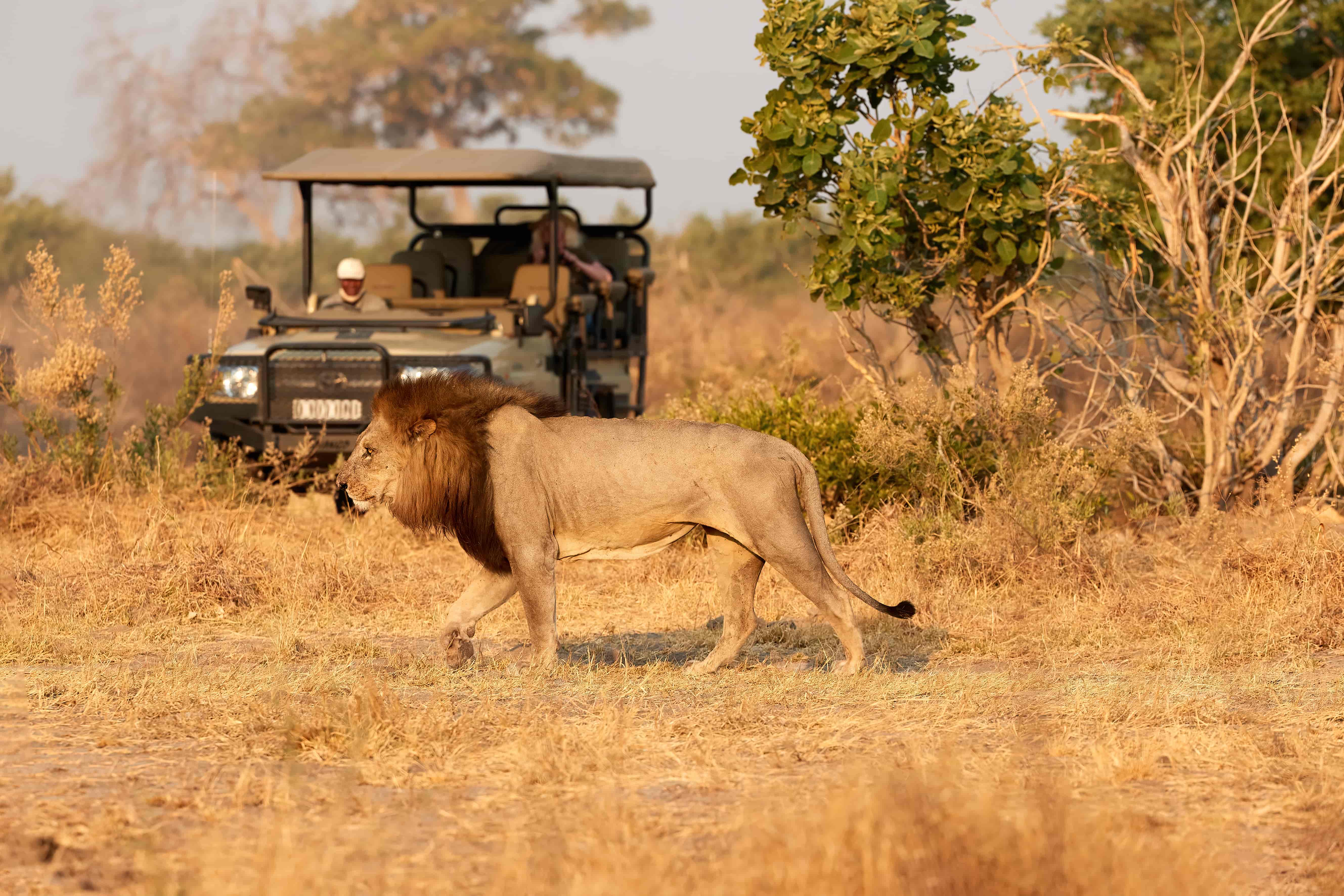
The Result: The highest concentration of predator action of the year. Lions, leopards, and cheetahs feast during this season. If you want to see the raw, National Geographic-style circle of life, you don't go in July but in February.
The Travel Deal Breakdown
Booking a Green Season safari in 2026 is about "Luxury Distress Pricing." Lodges need to keep staff employed and lights on, so they slash rates.
The Price Drop: Top-tier operators like Wilderness Safaris or AndBeyond often drop rates by 40% to 60%.
No Single Supplement: This is huge for solo travelers in their 30s. During high season, you pay a 50% surcharge to have a room alone. In Green Season, this is almost always waived.
Long-Stay Discounts: In 2026, look for "Stay 4, Pay 3" deals which are common in the Green Season but non-existent in July.
Specific Strategy: The Khwai & Moremi Border
To get the most bang for your buck, target the Khwai Concession. It sits right next to the Moremi Game Reserve (prime Okavango Delta) but is a community-run concession.
Why it’s a decent travel deal: You get the same animals as the $2,000/night lodges inside the reserve, but you can stay at slightly more rustic camps like Khwai Tented Camp or Sango Safari Camp.
The Activity Bonus: Because it's a private concession, you can do night drives and walking safaris, activities that are banned in the national parks.
Booking the Green Safari Travel for 2026
If you are planning this for early 2026 (Jan-March) or late 2026 (Nov-Dec), do not book through a generic OTA (Online Travel Agency). Here’s the Hack: Contact a specialized "Africa specialist" agent. They have access to the "rack rate" sheets and can often combine the Green Season discount with "circuit discounts" (flying between lodges owned by the same company) to save you an extra 15%.
Concluding Thoughts
The Green Season isn't a compromise; it's a different, more vibrant way to see Africa. You trade dust for green grass, crowds for solitude, and financial stress for a trip that actually fits your budget.