We often choose travel destinations based on bucket lists or Instagram trends, ignoring the single most powerful factor in travel affordability: the global economy. While we scour the web for 10% off flight coupons, currency fluctuations are quietly offering discounts of 30%, 40%, or even 50% on entire trips.
The "Strong Dollar" Detective knows that the one of the smartest travel hacks isn't about trying hard to get a sale but about leveraging strong dollar destinations 2025. By choosing countries where your home currency is historically strong, you effectively give yourself a massive discount on every meal, hotel, and experience the moment you step off the plane.
Economics as a Travel Coupon
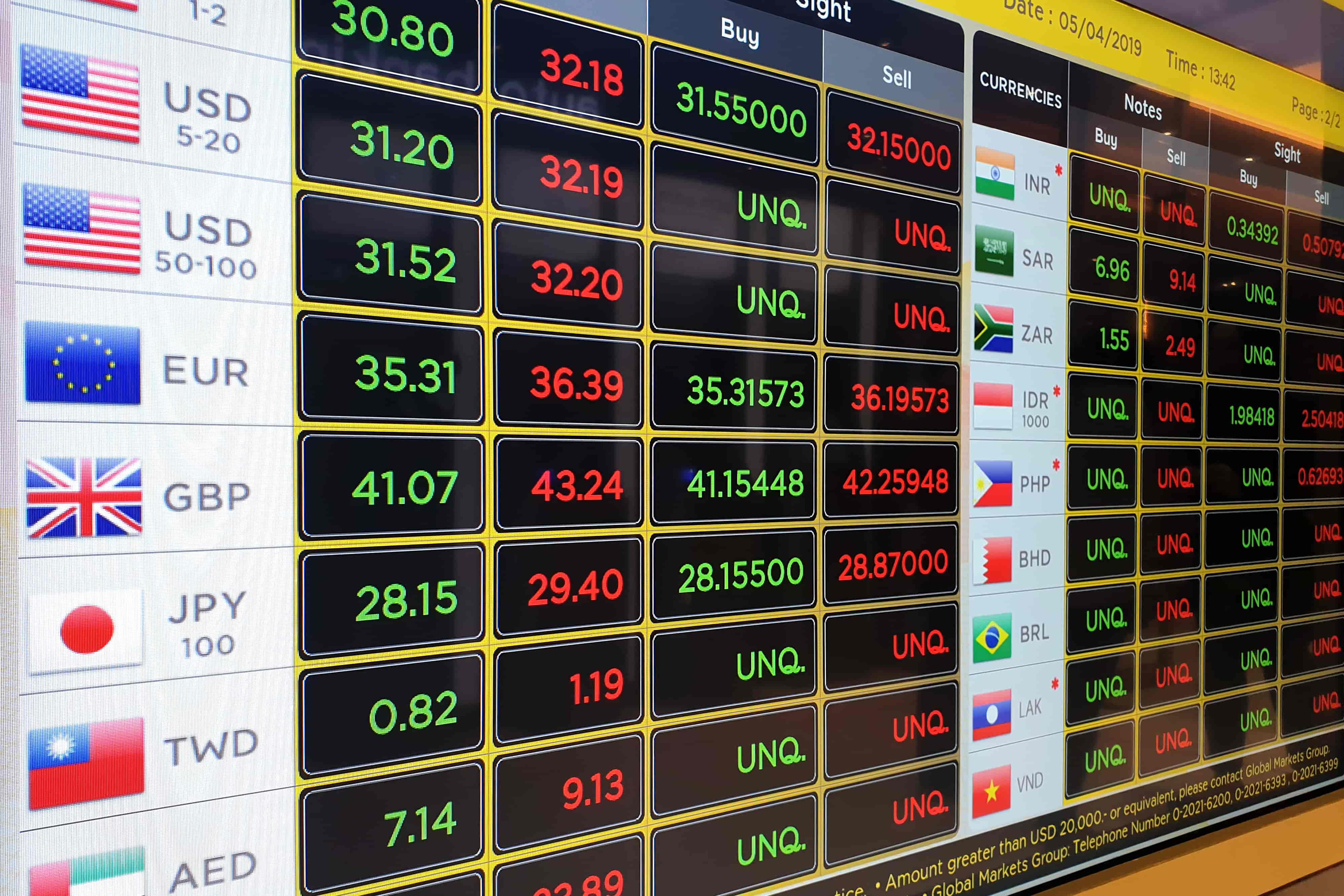
When the US Dollar (or Euro/Pound) is strong against a local currency, your purchasing power explodes. This is a concept known as "Geo-Arbitrage." It means that a luxury experience that is out of reach at home becomes affordable abroad. It’s the difference between a $150 dinner in Paris and a $40 feast of equal quality in Buenos Aires.
For late 2025, several economic trends highlight specific cheapest countries to visit. Japan, for example, has seen the Yen hover at historic lows against the Dollar. This transforms Tokyo, often perceived as one of the world's most expensive cities, into a surprisingly affordable destination where high-end sushi and bullet train tickets feel like bargains to American visitors.
Similarly, countries like Argentina and Turkey often face high inflation and currency devaluation. While this is difficult for locals, for tourists bringing in stable foreign currency, it creates an environment where "luxury" travel becomes accessible on a mid-range budget. A five-star hotel that would cost $600 in New York might cost $150 in Istanbul.
The "Big Mac" Logic
To spot these opportunities, you don't need a degree in economics. You just need to look at the relative cost of goods. If a coffee costs $5 in Seattle but $1.50 in Hanoi, your money is going three times further. This multiplier effect applies to everything.
Argentina: Known for the "Blue Dollar" (an informal exchange rate), Argentina offers incredible value for wine, steak, and accommodation. You can dine at world-class steakhouses for the price of a pub burger in the US.
South Africa: With a favorable exchange rate, safaris and wine tours in Cape Town offer exceptional value compared to similar experiences elsewhere.
Colombia: The exchange rate continues to favor the dollar, making cities like Medellin and Cartagena prime spots for affordable luxury.
The Mechanics of Spending on a Tight Travel Budget
To maximize this travel arbitrage, you need to be smart about how you pay.
1. Always Pay in Local Currency:
When you use your credit card abroad, the machine will often ask: "Pay in USD or Local Currency?" Always choose local currency. If you choose USD, the merchant’s bank applies a terrible exchange rate (Dynamic Currency Conversion) that can cost you an extra 5-7%.
2. Use a No-Fee Card:
Ensure your credit card has zero foreign transaction fees. Otherwise, the bank will eat up 3% of your "strong dollar" advantage on every swipe.
3. Cash is King (Sometimes):
In destinations like Argentina, bringing cash to exchange at specific rates can yield even better value than using a card. Research the specific currency exchange tips for your destination before you fly.
Conclusion
The world is a marketplace, and prices are constantly shifting. By keeping an eye on the economic news, you can identify the destinations that are essentially "on sale." Instead of asking "Where do I want to go?", ask "Where is my money treated like royalty?" By following the crash, you can upgrade your entire travel experience without increasing your budget.