For decades, the word "hostel" conjured images of creaky bunk beds, questionable hygiene, and a chaotic atmosphere suitable only for broke backpackers in their early twenties. If you wanted comfort, design, or privacy, you had to graduate to a hotel and pay triple the price.
But a design revolution has swept through the budget accommodation sector, giving birth to the "Poshtel." These luxury-hybrid spaces blend the social energy and affordability of a hostel with the aesthetics and amenities of a boutique hotel, changing the game for the modern flashpacker.
What is a "Poshtel"?
The term combines "posh" and "hostel," but it represents a shift in philosophy. A Poshtel is designed for the traveler who has outgrown the grimy backpacker scene but isn't ready for the isolation and expense of a Marriott. These properties are often located in prime city centers, housed in renovated historic buildings or purpose-built architectural gems.
Unlike the hostels of the past, best luxury hostels prioritize design. Walk into a Generator Hostel in Paris or a Selina in Mexico City, and you might think you’ve entered a hip co-working space or a members-only club. You’ll find curated art on the walls, velvet sofas in the lobby, and an on-site barista making flat whites. The vibe is social, but the environment is sophisticated.
The Amenities: High-End for Low Cost
The primary draw of the Poshtel is the "Champagne amenities" available at a beer budget. While a standard hotel room isolates you, a Poshtel offers sprawling common areas that add immense value to your stay.
Rooftop Pools and Bars: Many boutique hostels Europe 2025 features offer rooftop terraces with swimming pools and cocktail bars that rival the most expensive hotels in the city.
Co-Working Spaces: Recognizing the rise of digital nomads, Poshtels often feature dedicated workspaces with high-speed Wi-Fi, ergonomic chairs, and plenty of outlets.
Wellness: It is increasingly common to find on-site yoga studios, screening rooms, and even saunas available to guests for free or a nominal fee.
The Privacy Pivot: Pods and Ensuites
The biggest barrier to hostel travel has always been the fear of the dorm room. Poshtels have solved this with the "Privacy Pod." Instead of a squeaky metal bunk, you get a built-in cubicle with a blackout curtain, reading light, USB ports, and a shelf. When the curtain is drawn, you have a private sanctuary within a shared room.
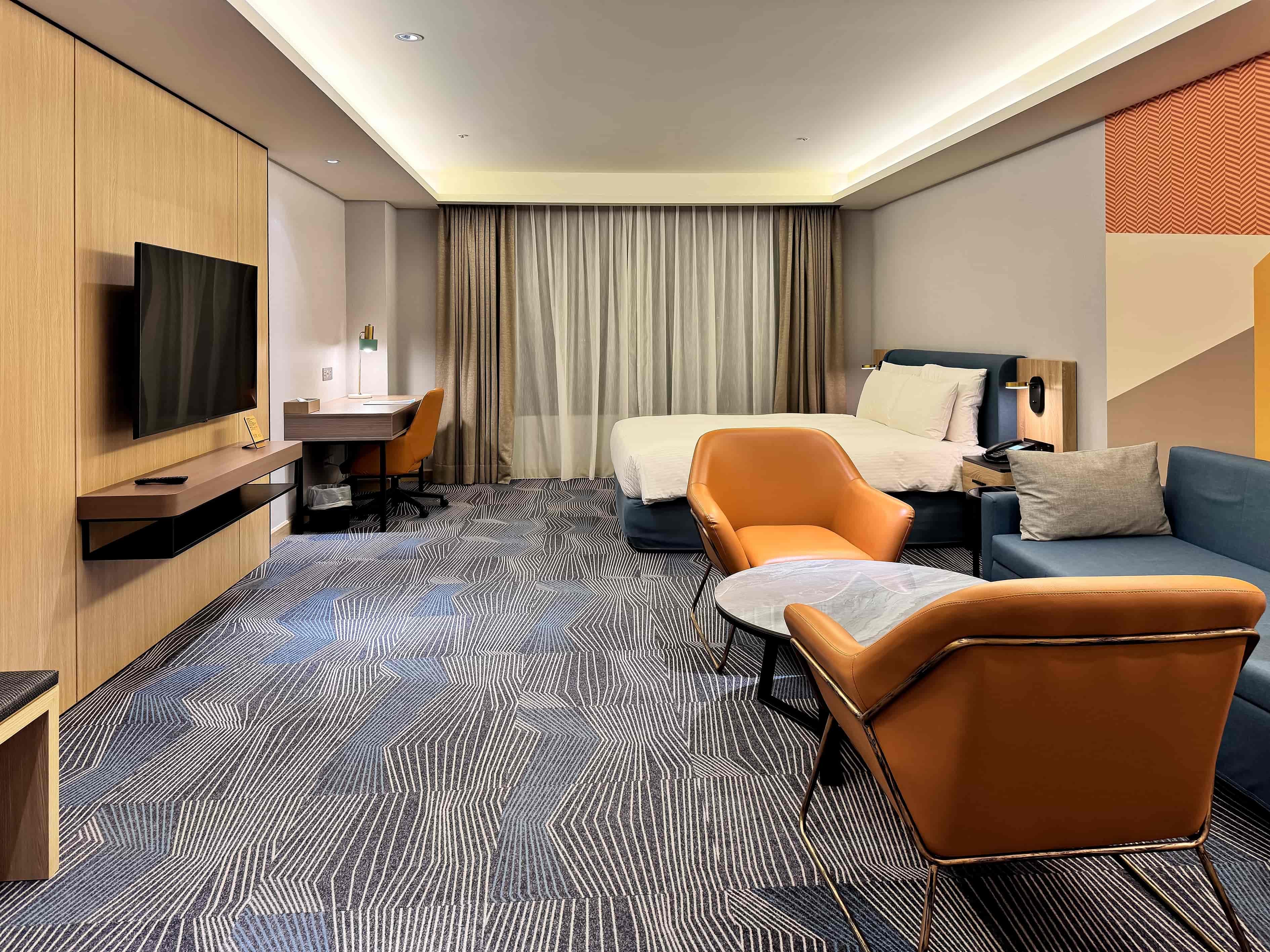
For those who refuse to share a room at all, Poshtels offer private ensuite rooms. These rooms are indistinguishable from a boutique hotel room, featuring high-thread-count linens, rain showers, and stylish decor. However, they are priced significantly lower than nearby 3-star hotels.
This poshtels vs hotels comparison is where the value proposition shines brightest. You get the privacy you need at night, but access to a vibrant social scene during the day.
Why This Trends Matters in 2025
As hotel prices in major tourist hubs like London, New York, and Rome continue to skyrocket, the Poshtel offers a vital release valve for the budget-conscious traveler. It allows you to stay in the heart of the action without sacrificing hygiene or style.
Conclusion
The "Flashpacker" revolution is about acknowledging that budget travel doesn't have to mean suffering. It’s about making a smart trade: swapping the unnecessary fluff of a hotel (like a bellhop or a mint on the pillow) for the things that actually matter, great design, a central location, and a chance to meet fellow travelers. The next time you book a trip, don't filter out the hostels; look for the Poshtels. You might find that the coolest place to stay is also the cheapest.